
Power That Stays On During Outages
Standby Generators in Durham for automatic backup power during storms and extended utility failures
ARMAC Electric installs standby generator systems that monitor utility power and start automatically when the grid fails. If your home depends on medical equipment, your business cannot afford downtime, or you want to avoid losing refrigerated goods and sump pump protection during extended outages, a standby generator provides backup power without requiring you to manually start an engine or run extension cords.
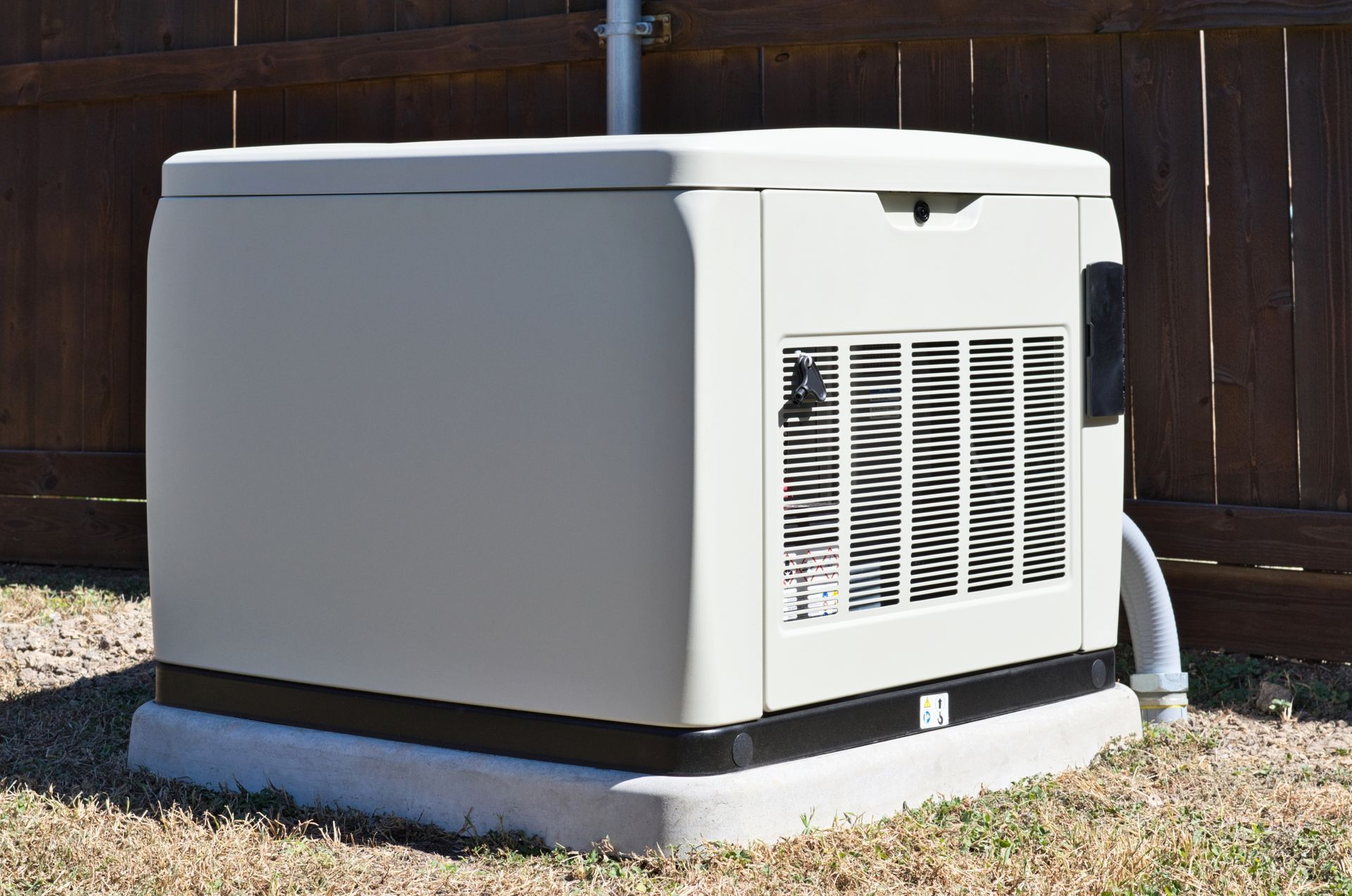
Standby generators are permanently installed outside the building and connected to your electrical panel through an automatic transfer switch. When utility power drops, the switch detects the loss, signals the generator to start, and transfers selected circuits to generator power within seconds. In Durham and surrounding Connecticut communities, where winter storms and severe weather can leave properties without power for hours or days, this system keeps essential loads running until utility service returns.
If your property needs reliable backup power that activates without intervention, reach out to discuss load requirements and generator sizing.
How A Standby System Integrates With Your Panel
You start by identifying which circuits need backup power, such as heating, refrigeration, lighting, and critical equipment. ARMAC Electric calculates the total load, sizes the generator to handle that demand, and installs an automatic transfer switch between the utility service and your main panel. The generator sits on a concrete pad outside, connected to natural gas or propane, and wired to the transfer switch with heavy-gauge cable.
After installation, you will notice that when utility power fails, the generator starts on its own, selected circuits remain energized, and your household or business continues operating without interruption. The transfer switch prevents backfeeding, which means the generator never sends power back into the utility lines. When grid power returns, the switch transfers your circuits back and the generator shuts down automatically.
The installation includes load calculation, transfer switch wiring, fuel line connection, and startup testing. It does not include the concrete pad if one is not already in place, and it does not cover ongoing fuel supply or routine maintenance, but it does provide a turnkey backup power system that operates independently once commissioned.
What You Should Know Before Installing A Generator
Most property owners want to understand how the system works, how long it takes to install, and what happens during an outage. Here are answers to common questions.
- What is an automatic transfer switch? An automatic transfer switch monitors utility power and switches your electrical panel to generator power when it detects an outage, then switches back when utility service is restored.
- How long does a standby generator take to start? Most standby generators begin running within ten to fifteen seconds after utility power fails, and your circuits are energized within thirty seconds once the engine stabilizes.
- Why size the generator correctly? Undersizing means the generator cannot handle your load and may shut down under demand, while oversizing wastes fuel and increases installation cost without adding functional benefit.
- When should you test a standby generator? You should run the generator under load at least once per season to confirm it starts reliably and produces stable voltage, and check oil and coolant levels as part of routine maintenance.
- What fuel type works best in Durham and surrounding areas? Natural gas provides continuous fuel supply without refilling, while propane offers independence from utility infrastructure and works well in areas without gas service.
If you are ready to install a backup power system, contact ARMAC Electric at (860) 916-2633 to schedule a load assessment and review your options.